

Michelle Parra January 31, 2020

Homeownership offers many advantages over renting, including a stable living environment, predictable monthly payments, and the freedom to make modifications. Neighborhoods with high rates of homeownership often experience less crime and more civic engagement. Additionally, studies show that homeowners report higher levels of happiness and health than renters, and their children frequently perform better in school.
One of the single biggest perks of homeownership is the opportunity to build wealth over time. Researchers at the Urban Institute found that homeownership is financially beneficial for most families, and recent studies show that the median net worth of homeowners can be up to 80 times greater than that of renters in certain areas. Understanding how home equity works is essential to maximizing the long-term potential of your property investment.
Home equity is the difference between your property's current market value and the remaining balance owed on your mortgage. For example, if your home’s market value is $250,000 and your mortgage balance is $200,000, your home equity equals $50,000.
$250,000 (Home’s Market Value – $200,000 (Mortgage Balance) = $50,000 (Home Equity)
The equity in your home is considered a non-liquid asset. Although it represents your money, it is tied up in your primary residence rather than sitting in a liquid bank account. When factoring in property appreciation, real estate investments historically offer a far stronger rate of return than standard savings accounts.
A monthly mortgage payment serves as a form of "forced savings" for property owners. Each monthly payment pays down a portion of interest and applies the rest directly to the principal balance. As your loan balance decreases, your home equity increases proportionally.
Unlike consumer assets that depreciate over time (such as automobiles), residential real estate typically appreciates over the long term. When you pay off a vehicle loan, the car is worth significantly less than its original purchase price. Conversely, when you pay down a mortgage, property values generally rise over time. When it comes time to sell, you keep 100% of the property’s appreciated value—even if you only placed a 10% down payment at purchase. That leverage is the core foundation of real estate wealth creation.

Homeowners seeking to accelerate their equity growth can utilize two primary strategies:
Accelerating your loan payoff directly increases your equity position. You can achieve this by making additional monthly principal payments, submitting one extra full mortgage payment per year, or applying lump sums (such as annual bonuses, tax refunds, or inheritances) toward the principal. Before making extra payments, consult your lender to confirm that there are no prepayment penalties and that funds are applied directly to the principal balance. Alternatively, refinancing from a 30-year to a 15-year mortgage accelerates equity accumulation while saving substantial interest over the life of the loan.
Enhancing your home's market value boosts your overall equity. While broader economic factors like inflation and interest rates influence property values, strategic home improvements can directly increase equity. According to Remodeling Magazine’s Cost vs. Value Report, exterior replacement projects—such as a garage door replacement—typically yield the highest return on investment (ROI) at resale. Conversely, major interior upgrades like upscale kitchen remodels often recoup a lower percentage of initial costs. Staying current on routine property maintenance remains the single most important task to protect structural integrity and preserve market value.
While equity accumulates within the home, several options exist for tapping into these non-liquid funds when necessary:
Tapping into equity should be evaluated carefully with a financial advisor, as defaulting on equity-backed loans risks foreclosure.
Building home equity is one of the most reliable strategies for achieving long-term financial security. Whether you are buying your first home, planning high-ROI property renovations, or exploring equity access options, consulting a licensed REALTOR® ensures you make informed decisions every step of the way.

If you are in the market to buy a home this season, stick with it.

With the momentum coming out of this fall, all signs point to the winter housing market picking up steam.

The Los Angeles market remains competitive for buyers as the home price has been steadily increasing.
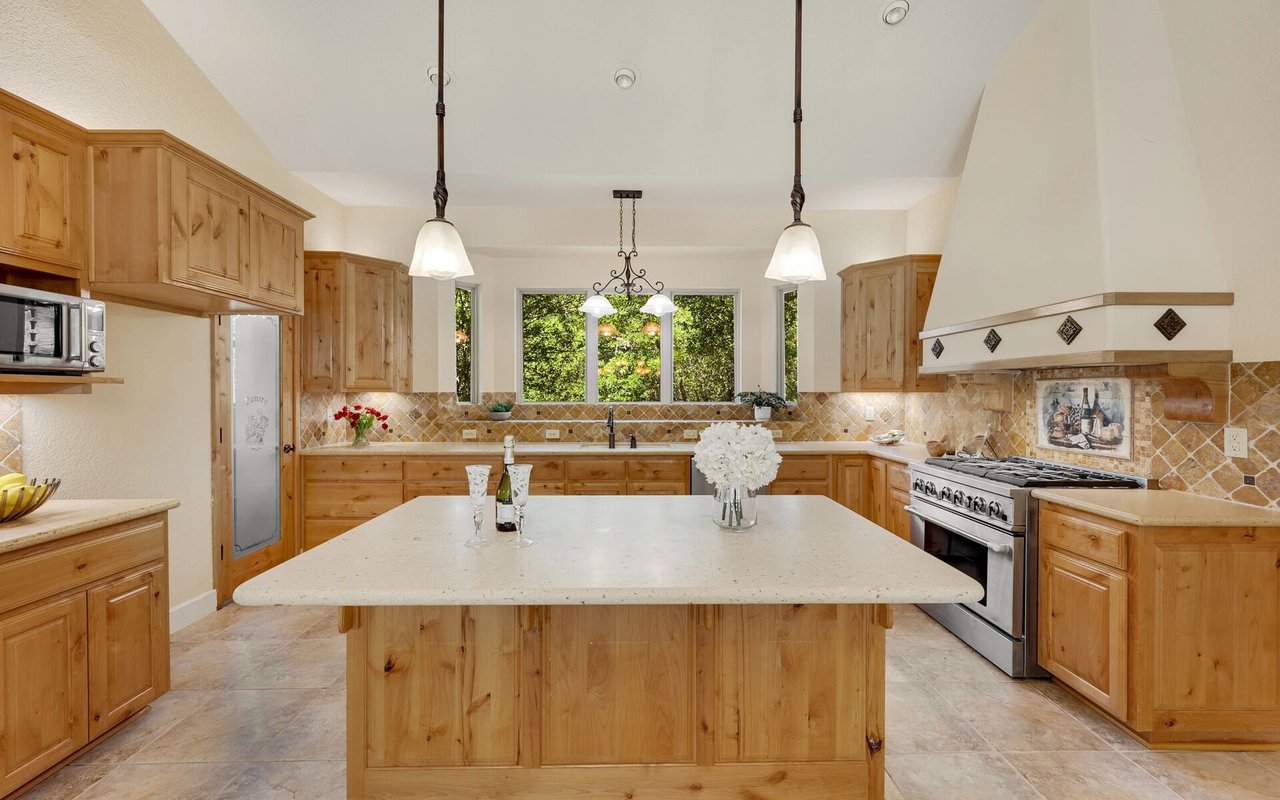
There are ways you can modify your home and your lifestyle to make the best of this difficult situation.

We’ve rounded up five of the hottest home design trends for 2020.

As we begin another year, everyone wants to know: “Where is the housing market headed in 2019?”
Building home equity is one of the most reliable strategies for achieving long-term financial security.

Here’s where experts predict the housing market is headed in 2020 and beyond.
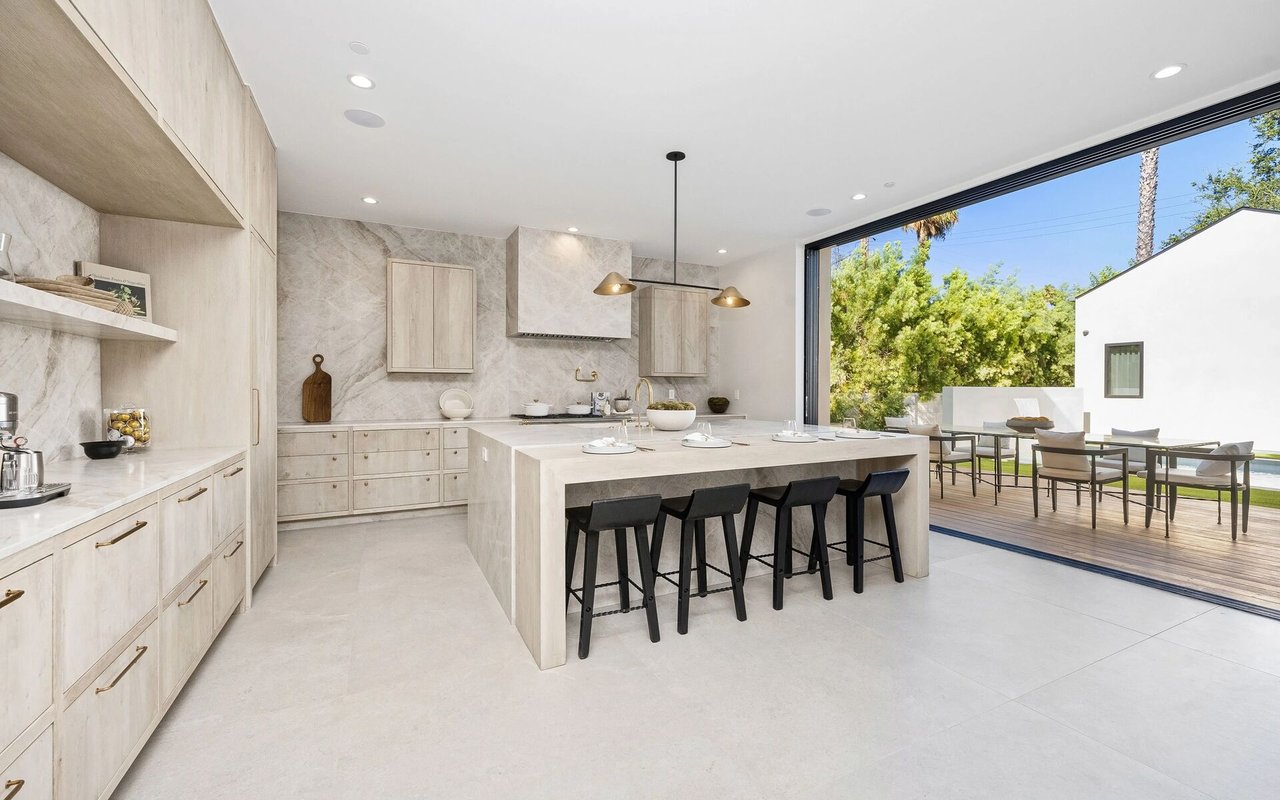
Check out our list of the hottest home technology offerings as we’ve selected a few of our favorites.
Let Michelle put her expertise to work for you. She understands that buying or selling can be a pivotal time, and she will list your property expertly and with results in mind. If you are making a move and searching for the perfect space, or if it’s time to list your residence, Michelle’s wide network, and deep resources will get the job done.

9454 Wilshire Blvd 1st Fl
Beverly Hills CA 90212
MICHELLE PARRA | CA DRE# 02062427 COMPASS CALIFORNIA, INC. | CA DRE# 01991628